
水道水漏れ修理は住まいる水道サポートにお任せください
トイレの水漏れ・詰まりの修理
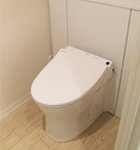
トイレで発生した、水漏れ、トイレの詰まり、トイレタンクのトラブル、異臭がする場合はこちらから。また、トイレのウォシュレットや便器の交換・修理、取り付けまでトータルでご対応出来ます。
トイレ水漏れ・詰まりの修理蛇口の水漏れの修理
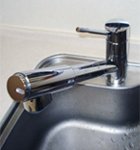
キッチンやバス等で発生した、蛇口の水漏れ・故障・詰まりでお困りの方はこちらから。その他、パッキン・コマ・カートリッジ等の部品交換も対応可能です。水漏れ修理等の緊急な対応もお任せください。
蛇口の水漏れの修理台所の水漏れ・詰まり等の修理
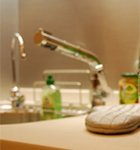
台所で発生した、蛇口の水漏れ、水道管の詰まりでお困りの方はこちらから。また、シンク、流し台の交換、浄水器・食器洗い機の取り付けも対応可能です。
台所水漏れ・詰まり等の修理洗面所の故障
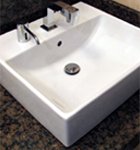
洗面所で発生した、水漏れ、蛇口の水漏れでお困りの方はこちらから。また、洗面台のリフォーム、鏡の交換等も対応可能です。
洗面所の故障水漏れ対策

配水管・給水管・給湯管からの水漏れのリスクを回避するために定期的な点検をおすすめします。また、天井からの水漏れ、床下浸水などのトラブルの場合も改善しますので、まずはご相談下さい。
水漏れ対策悪臭対策
水回りから悪臭がしてお困りの方はこちらから。その、原因を調査・改善致します。汚水槽、杯水槽、浄化槽の定期清掃やメンテナンスを行っております。お気軽にお問合せ下さい。
悪臭対策水まわりのリフォーム

水回りのリフォームなら、全国各地に水道局指定工事店のある、水道屋さんの住まいる水道サポートにお任せください。
トイレ・キッチン・お風呂・洗面所等、柔軟に対応します。また、有名メーカーから専門のメーカーまで幅広く対応が可能です。
住まいる水道サポートでは、水漏れ修理だけでなく、リフォームにも力をいれております。お気軽にお問合せください。
その他水まわりのサービス
水道の配管トラブル
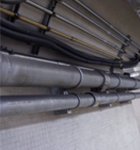
配管からの悪臭、下水管の詰まり、水道の水の変色、配水管・給水管の水漏れでお困りの方はこちらから。専用の機器を使用し汚れを根こそぎ除去します。定期メンテナンスのご依頼も承ります。
水道の配管トラブル各配管工事
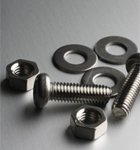
水回りで少しでも異変を感じたら、ご連絡ください。水漏れ、環境汚染等の原因にもなりかねないので、お早めに配管を確認・工事することをお勧めします。
各配管工事法人向けサービス
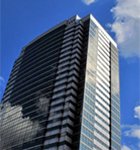
ビル・マンション・アパートのオーナー様向けに、水回りのトラブル対応、メンテナンスを承ります。緊急度の高い、ご相談も承ることができるので、ご安心してお任せ頂けます。
法人向けサービスその他

ポンプの修理交換、管内カメラ調査。給湯器修理・交換、オール電化等、ご家庭の水周りのことなら、何でもご相談ください。プロがしっかりお応えします。
その他水漏れ・詰まり修理の作業の流れ
住まいる水道サポートにお電話ください(メールでも承ります)
まずは、住まいる水道サポートにお電話ください。24時間、365日対応しております。


お問い合わせいただく際に可能な限りお答えください。
問題が発生している場所について:水道・トイレ・蛇口・浴室・洗面所
故障の状態について:水漏れがある。異臭がする。詰まってしまった。 etc
建物の形式について:戸建て・マンション etc
故障した箇所のメーカー型番:TOTO・INAX・松下電工 etc
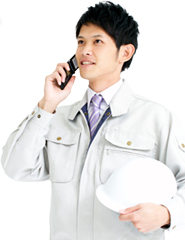
お電話でお伺いした内容で概算のお見積りをお知らせ致します

水漏れや詰まり等、修理する場所によって、金額が変動致します。お電話でいただいた内容で、一度概算のお見積りをお知らせ致します。概算の料金表に関しましては、こちらをご参照ください。
お電話の際に許可をいただきましたら、弊社の水まわりトラブル専門スタッフがお伺い致します。
お伺いしたスタッフが水まわりの状態を調査します
専門のスタッフがお伺いした際に、当社専門スタッフが水回りの状態を調査を致します。その際に、原因を確認し緊急度の高い場合に関しましては、応急処置を実施する場合もあります。また、外観のみで、原因がわからない場合は分解を行う場合もあります。
水漏れや詰まりの修理など状態によって必要な処置、部品等が判明した際に、詳細のお見積を提出させて頂きます。
施行内容・お見積をご確認頂きご契約頂きます
詳細のお見積・作業内容をご確認頂き、ご契約を頂き次第、修理を実施致します。
工事完了後に発生し水回りのトラブルに関しましては、アフターケアをご確認下さい。内容をしっかり確認した上でご契約下さい。
現地にて状態を確認した際に交換するべき部品が増える場合もございます。料金表に関しましては目安になります。
状態により、今後の水漏れや詰まりが発生する可能性がありそうな箇所等も発見した際には、お客様にお知らせ致します。
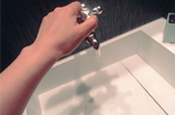
修理の作業を開始します
ご契約後に、専門スタッフがその場で修理を実施致します。
完了通知
修理が完了した後に、状態のご確認を頂きます。その際に、トイレの水漏れ・詰まり等が解消されているかどうかを試運転して頂き、問題ないとご判断頂いた際に修理完了とさせて頂きます。
 |
 |
 http://www.maff.go.jp/ |